What Is Elder Law in Virginia?
Elder law is a specialized area of legal practice focused on the legal, financial, healthcare, and long-term planning needs of older adults and their families.
Unlike many areas of law, elder law is not defined by one single legal issue. It is defined by the people it serves: seniors, aging adults, people with disabilities, caregivers, spouses, adult children, and families trying to make smart decisions before a crisis happens.
For many families in Virginia, elder law becomes important when questions start to feel bigger than a simple will or power of attorney.
Questions like:
- How will we pay for long-term care?
- Can we protect savings from nursing home costs?
- Does Mom qualify for Medicaid?
- Can Dad receive VA Aid & Attendance?
- Who makes decisions if someone becomes incapacitated?
- What happens after a loved one passes away?
- How do we avoid unnecessary family conflict?
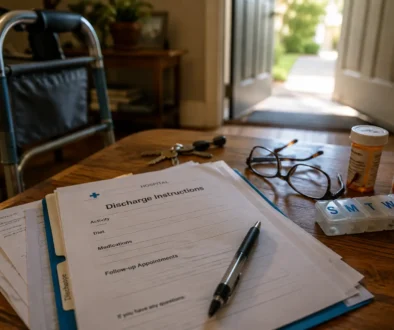
These are not small questions. They are the kinds of questions families often avoid until there is a hospital discharge, a dementia diagnosis, a fall, a caregiver burnout moment, or a sudden realization that “we probably should have handled this sooner.”
That is where elder law comes in.
A Virginia elder law attorney helps seniors and families plan ahead, protect assets, understand benefits, prepare legal documents, and make sure a person’s wishes are honored during life, incapacity, and after death.
What Does Elder Law Cover?
Elder law covers a wide range of legal and planning issues that often overlap with healthcare, family dynamics, finances, and government benefits.
This is what makes elder law different from traditional estate planning. A basic estate plan may answer the question, “What happens to my assets when I die?” Elder law goes further and asks, “What happens if I need care while I am still living?”
That distinction matters.
Many older adults are less worried about what happens decades from now and more concerned about what could happen next month, next year, or after the next medical event. A good elder law plan considers both lifetime needs and end-of-life wishes.
Elder law in Virginia often helps families with:
- Long-term care planning
- Virginia Medicaid planning and applications
- Asset protection planning
- VA Aid & Attendance benefits
- Estate and trust planning
- Powers of attorney
- Advance medical directives
- Estate administration and probate
- Guardianships and conservatorships
- Special needs planning
- Supplemental Needs Trusts
An elder law attorney may also coordinate with financial advisors, care managers, accountants, healthcare providers, and family members to create a plan that works in real life — not just on paper.
Because that is the part many families discover too late: legal documents are important, but they need to match the actual care, family, and financial situation.
Why Elder Law Matters for Virginia Families
Many people assume elder law is only necessary for families with large estates, complicated trusts, or unusual legal problems.
That is not true.
Elder law is often most valuable for everyday families who want to avoid panic decisions. Families who have worked hard, saved carefully, bought a home, raised children, served in the military, cared for a spouse, or simply want to make sure one health event does not unravel decades of planning.
In Virginia, long-term care can become expensive quickly. Assisted living, memory care, in-home care, and nursing home care can place serious pressure on savings. Without a plan, families may spend down assets unnecessarily, miss benefit opportunities, or end up in court trying to get authority to act for a loved one.
Elder law planning helps reduce that uncertainty.
It gives families answers before they are forced to make decisions under stress.
Long-Term Care Planning in Virginia
Long-term care planning helps seniors prepare for the possibility that they may one day need help with daily activities such as bathing, dressing, eating, medication management, transportation, or supervision.
Long-term care may happen in several settings, including:
- At home with family or professional caregivers
- In an assisted living community
- In a memory care facility
- In a skilled nursing facility
- In a nursing home
The challenge is that many families do not fully understand how long-term care is paid for until they are already facing a care need.
Medicare generally does not cover long-term custodial care. Private pay can become expensive. Long-term care insurance may help, but not everyone has it. That leaves many families looking at Medicaid, VA benefits, or a combination of planning strategies.
A Virginia elder law attorney can help families understand available options, avoid costly mistakes, and create a plan that protects the senior’s care needs as well as the family’s financial stability.
Medicaid Planning and Asset Protection
Medicaid planning is one of the most important parts of elder law.
In Virginia, Medicaid may help cover long-term services and supports for eligible individuals who need nursing facility care or certain community-based care services. According to CoverVA’s Long-Term Services and Supports guidance, Virginia Medicaid may cover care when a person requires nursing supervision or assistance with activities of daily living.
However, Medicaid rules are complex. Families often misunderstand what counts as an asset, what transfers may create penalties, how the lookback period works, and what protections may be available for a spouse.
This is where legal guidance matters.
Medicaid planning and application support may involve reviewing income, assets, property ownership, beneficiary designations, trusts, prior gifts, and care needs. The goal is not to “hide” assets. The goal is to use the law properly so a person can qualify for needed care while preserving as much financial security as possible.
For married couples, Medicaid planning can be especially important because one spouse may need care while the other spouse still needs resources to live independently.
A strong elder law plan can help families avoid rushed decisions, unnecessary spend-downs, and preventable financial harm.
VA Aid & Attendance Benefits
For eligible wartime veterans and surviving spouses, VA Aid & Attendance benefits can be an important source of financial support.
The U.S. Department of Veterans Affairs explains that Aid & Attendance and Housebound benefits may provide monthly payments added to a VA pension for qualified veterans and survivors who need help with daily activities or are housebound.
Aid & Attendance may help veterans or surviving spouses who need support with:
- Bathing
- Dressing
- Eating
- Mobility
- Medication management
- Other personal care needs
Many families do not know this benefit exists.
Others assume they will not qualify, or they begin the application process and become overwhelmed by paperwork, eligibility rules, documentation requirements, and delays.
An elder law attorney familiar with veterans’ benefits can help determine whether VA Aid & Attendance may be available and how it fits into the larger long-term care plan.
For Virginia veterans and surviving spouses, this benefit can make a meaningful difference in paying for care at home, in assisted living, or in other care settings.
Estate and Trust Planning for Seniors
Estate planning is still a major part of elder law, but in the elder law context, it is not just about distributing assets after death.
It is also about preparing for incapacity.
A senior-focused estate and trust plan may include:
- A will
- A revocable living trust
- A durable financial power of attorney
- An advance medical directive
- Healthcare decision-making documents
- Beneficiary reviews
- Asset titling guidance
- Trust planning
The goal is to make sure trusted people have the legal authority to help when help is needed.
Without proper documents, families may face delays, confusion, and court involvement. A spouse or adult child may assume they can automatically make decisions, access accounts, or manage affairs — but that is not always the case.
A Virginia elder law attorney can help prepare documents that reflect the senior’s wishes and comply with Virginia law.
Estate Administration and Probate in Virginia
Elder law also includes helping families after a loved one passes away.
Estate administration is the process of handling a person’s affairs after death. This may include identifying assets, paying debts, working with the court, communicating with beneficiaries, filing required paperwork, and distributing property.
Probate may be required depending on how assets were titled and whether beneficiary designations or trusts were in place.
In Virginia, probate and estate administration may involve the local circuit court and commissioner of accounts. For many families, this process can feel confusing, especially while grieving.
An elder law or estate administration attorney can help executors and family members understand their responsibilities, meet deadlines, avoid mistakes, and move through the process with less stress.
Guardianships and Conservatorships
If an adult becomes incapacitated and does not have proper legal documents in place, the court may need to appoint a guardian or conservator.
A guardian may be appointed to make personal or healthcare decisions.
A conservator may be appointed to manage financial matters.
These cases are often emotionally difficult because they involve someone who can no longer fully manage their own affairs. They may also involve family disagreement, medical evidence, court hearings, and ongoing reporting requirements.
Guardianships and conservatorships can sometimes be avoided with strong planning, including powers of attorney and advance medical directives.
But when court involvement is necessary, an elder law attorney can guide families through the process and help protect the vulnerable adult’s best interests.
Special Needs Planning
Special needs planning helps protect individuals with disabilities while preserving eligibility for important public benefits.
This planning may be needed for children, adults, or aging individuals with physical, intellectual, developmental, or psychiatric disabilities.
One common tool is a Supplemental Needs Trust, also called a Special Needs Trust. This type of trust can hold assets for a person with disabilities without automatically disqualifying them from needs-based benefits such as Medicaid or Supplemental Security Income.
A properly drafted trust can help pay for quality-of-life expenses, including:
- Therapies
- Education
- Transportation
- Recreation
- Companion care
- Technology
- Other needs not fully covered by public benefits
For families in Virginia, special needs planning can be an essential part of protecting a loved one’s future.
When Should You Contact an Elder Law Attorney?
The best time to contact an elder law attorney is before there is a crisis.
That does not mean everything needs to be solved at once. It simply means families are usually in a better position when they have time to understand options, prepare documents, review benefits, and make thoughtful decisions.
You may want to speak with an elder law attorney if:
- A loved one has been diagnosed with dementia or another progressive condition
- A parent may soon need assisted living, memory care, or nursing home care
- You are worried about paying for long-term care
- You want to protect assets for a spouse or family
- You are unsure whether Medicaid planning is needed
- A veteran or surviving spouse may need care support
- An older adult does not have powers of attorney or healthcare directives
- A family member can no longer safely manage finances or medical decisions
- You are responsible for settling an estate
- You want to avoid probate or reduce family conflict
Waiting does not usually make these issues easier. In many cases, waiting limits the options available.
How to Find an Elder Law Attorney in Virginia
A reliable way to find a qualified elder law attorney is through the National Academy of Elder Law Attorneys, also known as NAELA. NAELA is a professional organization focused on the legal needs of older adults and people with disabilities.
When choosing an elder law attorney, look for someone who understands:
- Virginia Medicaid rules
- Long-term care planning
- Estate and trust planning
- Guardianships and conservatorships
- Probate and estate administration
- Veterans’ benefits
- Family caregiving challenges
- Local court processes
The right elder law attorney should help you understand your options clearly, avoid unnecessary confusion, and create a plan that fits your family’s real situation.
How Legacy Elder Law Center Helps Virginia Families
Legacy Elder Law Center helps seniors and families in Virginia plan for the future, protect life savings, prepare for long-term care, and gain peace of mind.
The firm assists with elder law matters including long-term care planning, Medicaid planning and applications,estate and trust planning, VA Aid & Attendance, probate, guardianships and conservatorships, and special needs planning.
The goal is simple: help families make confident decisions before, during, and after major life transitions.
If you or a loved one are beginning to think about care planning, estate documents, Medicaid, veterans’ benefits, or asset protection, now is the time to start the conversation.
Contact Legacy Elder Law Center today to get guidance for your family’s next step.
Frequently Asked Questions About Elder Law in Virginia
What is elder law?
Elder law is a legal practice area focused on the needs of older adults, seniors, people with disabilities, and their families. It often includes long-term care planning, Medicaid planning, estate planning, guardianships, probate, VA benefits, and asset protection.
What does an elder law attorney do?
An elder law attorney helps seniors and families prepare for aging-related legal, financial, and healthcare decisions. This may include creating estate documents, planning for long-term care, protecting assets, applying for benefits, and helping families navigate probate or guardianship issues.
When should I contact an elder law attorney in Virginia?
It is best to contact an elder law attorney before a crisis occurs. If you are thinking about long-term care, Medicaid eligibility, VA benefits, estate planning, incapacity planning, or protecting savings from care costs, it is wise to seek legal guidance early.
Do I need an elder law attorney if I do not have a large estate?
Yes. Elder law is not only for wealthy families. Many Virginia seniors benefit from elder law planning because it helps protect savings, prepare for care needs, avoid court involvement, and reduce stress for loved ones.
What is Medicaid planning?
Medicaid planning is the process of legally organizing assets, income, and care needs so a person may qualify for Medicaid long-term care benefits while preserving as much financial security as possible. Medicaid rules are complex, so legal guidance can help families avoid mistakes.
Does Medicare pay for long-term nursing home care?
Medicare generally does not pay for long-term custodial nursing home care. It may cover limited skilled care under certain circumstances, but families often need to explore Medicaid, private pay, long-term care insurance, or VA benefits for ongoing care.
What is VA Aid & Attendance?
VA Aid & Attendance is a tax-free benefit for eligible wartime veterans and surviving spouses who need help with daily activities. It may help pay for care at home, assisted living, or another care setting.
What is the difference between a will and a trust?
A will explains how assets should be distributed after death and may go through probate. A trust can help manage assets during life and after death, may avoid probate for certain assets, and can provide more privacy and control.
What happens if someone becomes incapacitated without legal documents?
If someone becomes incapacitated without a valid power of attorney or healthcare directive, the family may need to ask the court to appoint a guardian or conservator. This can be time-consuming, expensive, and emotionally difficult.
Is probate always required in Virginia?
No. Probate depends on how assets are titled, whether there are beneficiary designations, and whether a trust is involved. Good estate planning can often help reduce or avoid probate.
How can elder law help protect assets?
Elder law attorneys may use tools such as trusts, Medicaid planning strategies, powers of attorney, proper asset titling, and long-term care planning to help protect savings and reduce unnecessary financial risk.
How do I choose the right elder law attorney?
Look for an attorney who focuses on elder law and understands the legal issues affecting seniors in Virginia. Membership in organizations such as the National Academy of Elder Law Attorneys can also be a helpful sign of focused elder law experience.